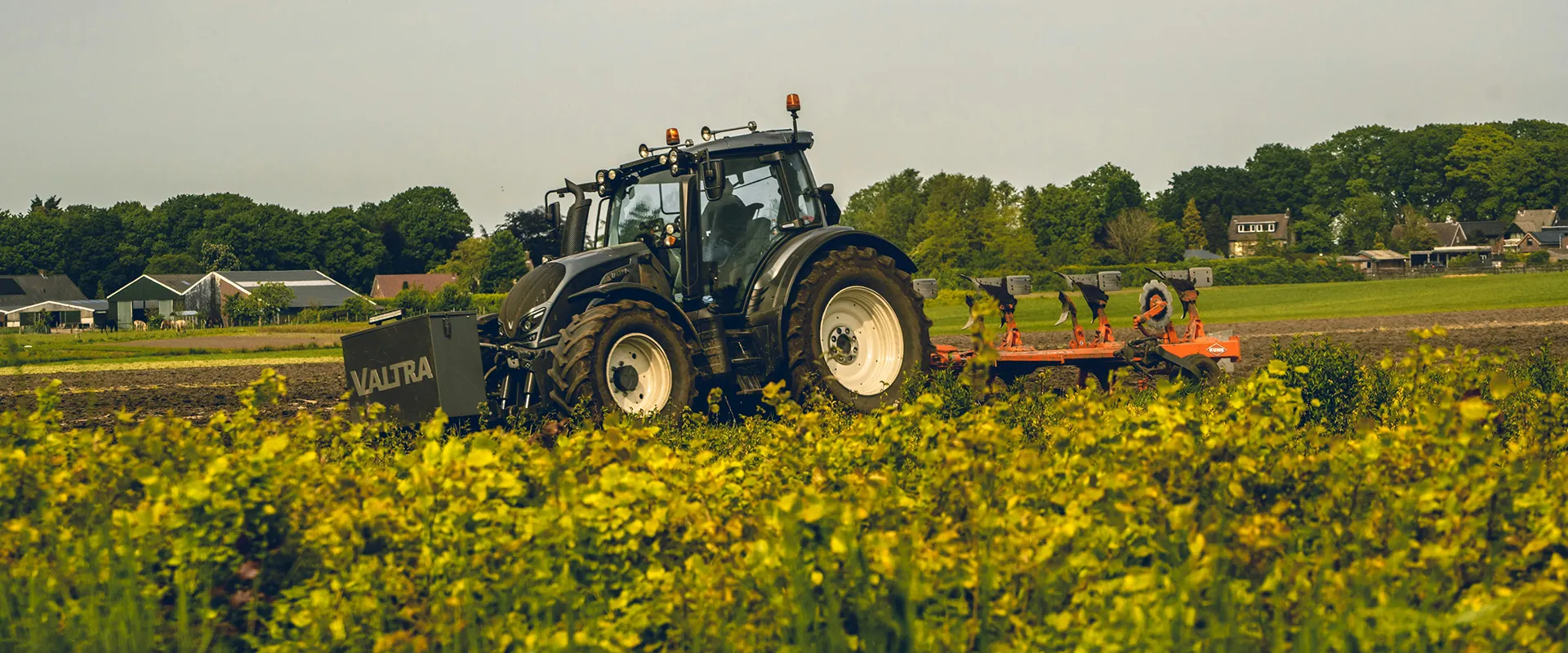
Our trial crops and research plots play a vital role in crop diversification, innovation, and risk management. These plots are dedicated to testing new crop varieties, alternative planting methods, and improved agricultural practices under real field conditions. The goal is to identify crops that offer better yield potential, climate resilience, market demand, and profitability.
By experimenting on a smaller scale, we minimize financial risk while gathering valuable data on crop performance. Trial crops may include new vegetable varieties, climate-resilient strains, or alternative crops suited for changing environmental conditions. Data collected includes growth rates, pest resistance, water requirements, soil compatibility, and harvest outcomes.
Research plots also allow us to refine cultivation techniques such as spacing, irrigation methods, nutrient application, and integrated pest management. Insights gained from these trials inform large-scale farming decisions and contribute to continuous improvement across our operations.
Crop diversification strengthens long-term sustainability by reducing dependency on a limited number of crops and improving soil health. It also enables us to adapt to market trends and environmental challenges more effectively. This service reflects our commitment to innovation, resilience, and future-focused agricultural development.